











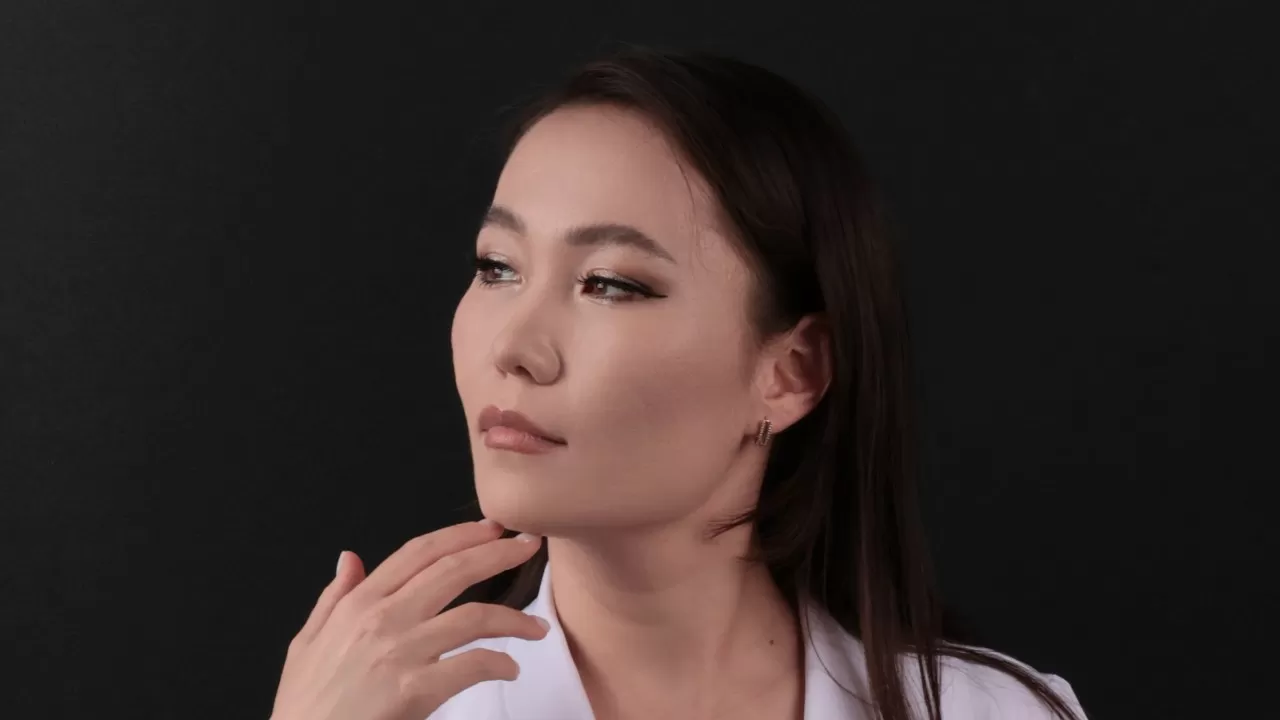
Bagdad Nurmukhambetova is a member of the American Dental Association (ADA), Head of Orthodontic Department at “Imperia Dent” Dental Clinic (Astana), and a digital laboratory expert who actively implements advanced international treatment protocols in Kazakhstan's dental practice.
From Fundamental Science to Clinical Practice
— Dr. Bagdad, you began your professional career at Karaganda State Medical University. Your master's thesis focused on the study of the oral microbiota in diseases of the oral mucosa. How does this extensive knowledge of microbiology help you today in orthodontics and periodontal treatment?
— My professional journey truly began with science. During my master's studies, I conducted research on the oral microbiota and bacterial pathogenicity factors in diseases of the oral mucosa. At that time, it seemed to me to be a separate field, but today I understand how closely fundamental science is connected with everyday clinical practice.
Orthodontics is not just about moving teeth. Every course of treatment lasts for months, and sometimes even years. During this time, oral hygiene changes, the composition of the oral microbiota changes, and additional plaque-retentive areas develop. If a doctor does not understand these processes, the risk of gingival inflammation, enamel demineralization, and other complications increases. That is why, when developing a treatment plan, I always evaluate not only the position of the teeth, but also the condition of the periodontium, the quality of oral hygiene, and the individual risk factors of each patient.
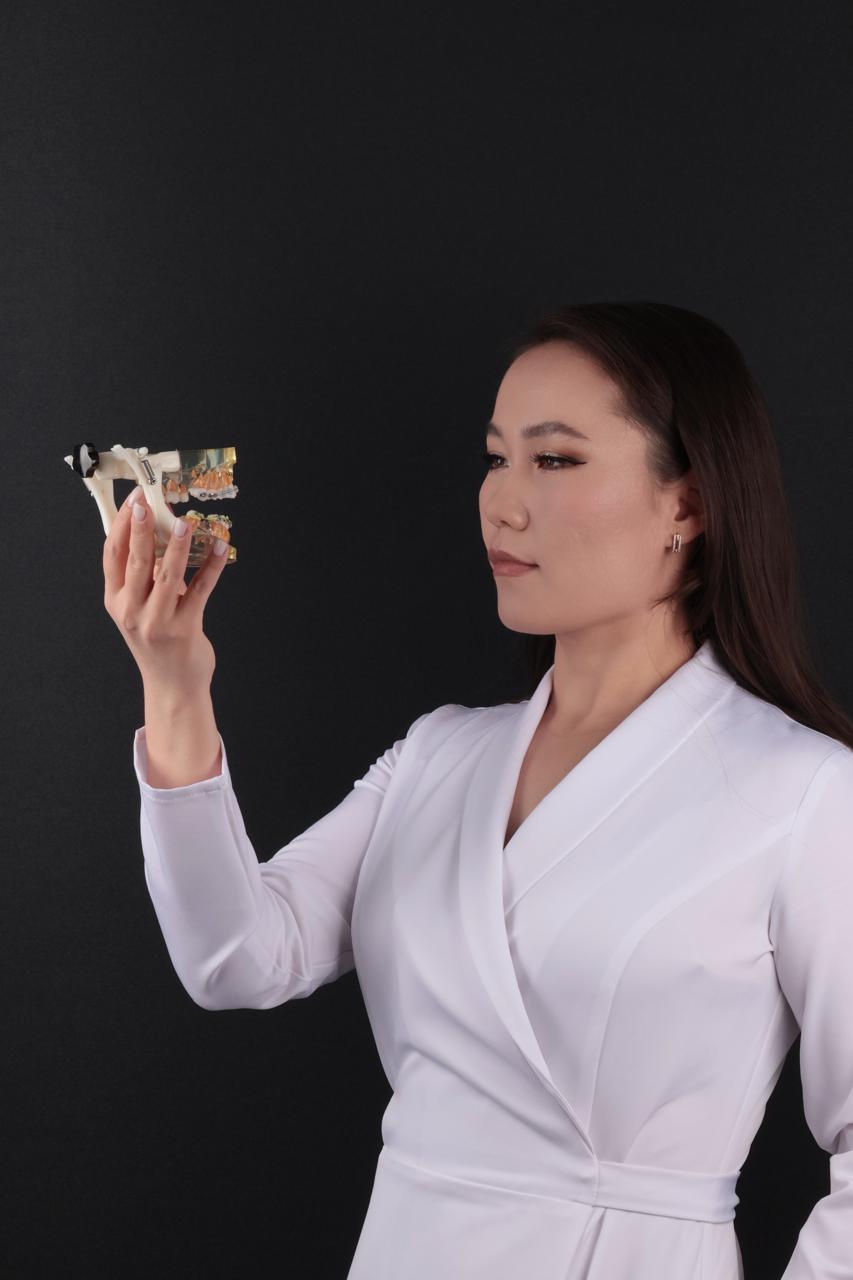
— Many patients do not realize that the placement of orthodontic appliances inevitably changes the oral environment. What protocols do you use to protect the patient's oral microbiome and prevent inflammation during long-term treatment?
— I adhere to the principle of prevention. Before orthodontic treatment begins, every patient undergoes professional dental cleaning and receives instruction on proper home oral care. During treatment, we regularly monitor the condition of the gums, assess the plaque index, and, when necessary, refer the patient for professional cleaning much more frequently than the standard intervals.
If I observe signs of inflammation, active orthodontic treatment may be temporarily suspended until the tissues have completely stabilized. For me, it is important not only to achieve beautiful, straight teeth, but also to preserve periodontal health for many years.
Innovation and the 3D Printing Revolution (Shape Memory Aligners)
— You headed the orthodontic department of a digital laboratory and are actively implementing direct 3D-printing technology for aligners. What is the main biomechanical problem of conventional aligners manufactured using the vacuum thermoforming method?
— The main problem with conventional aligners lies in the manufacturing technology itself. During vacuum thermoforming, a plastic sheet is heated and stretched over a model. As a result, the thickness of the material becomes uneven, and with it, the force exerted by the aligner on the teeth also changes. Consequently, the actual biomechanical properties often differ from those incorporated during digital treatment planning.
Direct 3D printing makes it possible to manufacture aligners with much greater accuracy and predictability. This opens up new possibilities for controlling tooth movement.
— You work with the innovative Tera Harz (TC-85DAC) material developed by the South Korean company Graphy. In simple terms, could you explain how the Shape Memory Effect technology works and why the ability to soften the aligner in warm water before insertion makes treatment painless for the patient?
— Shape Memory Effect technology is based on the properties of a special polymer. Before inserting the aligner, the patient can briefly place it in warm water. The material becomes more flexible, allowing the aligner to be inserted more easily and making it significantly more comfortable during the first few minutes of wear.
As it cools, it gradually returns to its original shape and begins to gently produce the programmed tooth movement. That is why patients often report significantly less discomfort compared with conventional aligners.
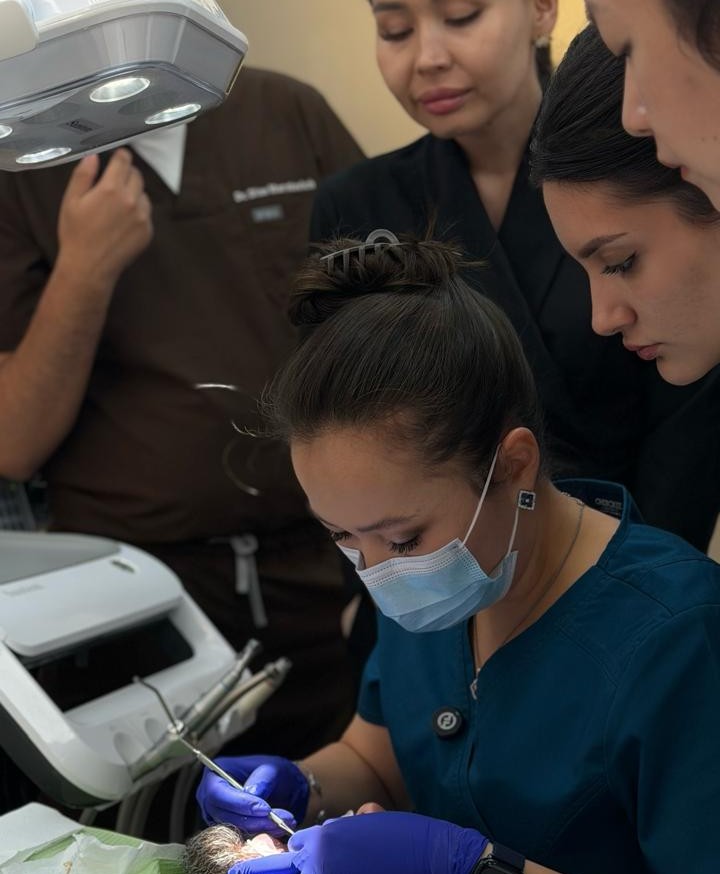
— At major international congresses, such as the annual session of the American Association of Orthodontists (AAO), there has been considerable discussion about how direct 3D printing makes it possible to treat even complex cases without using composite attachments. How do your patients in Astana respond to this level of aesthetics and comfort?
— Modern patients are becoming increasingly demanding. They want not only to achieve a beautiful smile but also to undergo treatment that is as discreet as possible. If the clinical situation allows us to avoid using a large number of composite attachments, patients respond to this very positively.
"The absence of attachments is not an end in itself. The doctor's primary task is to choose the treatment protocol that will be the most effective for each individual patient."
Gnathology and Systemic Health
— Patients often come to you asking to "straighten their teeth," without realizing that their migraines, neck pain, or clicking when opening the mouth may be related to their bite. How important are gnathological evaluation and splint therapy before beginning tooth movement?
— In my opinion, gnathological evaluation is one of the most underestimated stages of modern orthodontics. Very often, patients come with nothing more than a complaint about crooked teeth, while the true cause of the problem lies much deeper.
Clicking in the temporomandibular joint, facial pain, tension in the masticatory muscles, headaches, and limited mouth opening may all be associated with temporomandibular joint dysfunction. In such cases, it is first necessary to restore a stable functional position of the mandible through splint therapy, and only then begin tooth movement. This approach makes it possible to achieve more stable treatment outcomes.
— You prepare patients for complex orthognathic surgery. How is your teamwork with oral and maxillofacial surgeons organized to achieve the ideal facial profile for the patient?
— Modern orthognathic surgery is always a team effort. The orthodontist and the oral and maxillofacial surgeon jointly determine the final treatment goal before tooth movement even begins. We analyze CBCT scans, photographs, and lateral cephalometric radiographs, evaluate temporomandibular joint function, facial profile, and the airway. We then jointly plan the sequence of treatment stages. We collaborate with international orthognathic surgeons, and it is precisely this multidisciplinary approach that enables us to achieve the most predictable and stable treatment outcomes.
Mentorship, International Standards, and Personal Philosophy
— As a member of the American Dental Association (ADA) and a team leader, you mentor a team of six doctors at Imperia Dent Clinic. Which international standards of treatment and patient communication do you believe should be adopted as essential in Kazakhstan's dental practice?
— Membership in the American Dental Association allows me to continuously keep up with global trends. However, in my opinion, the most important thing is not individual technologies but the philosophy of treatment. Modern dentistry should be evidence-based, as digital as possible, and patient-centered.
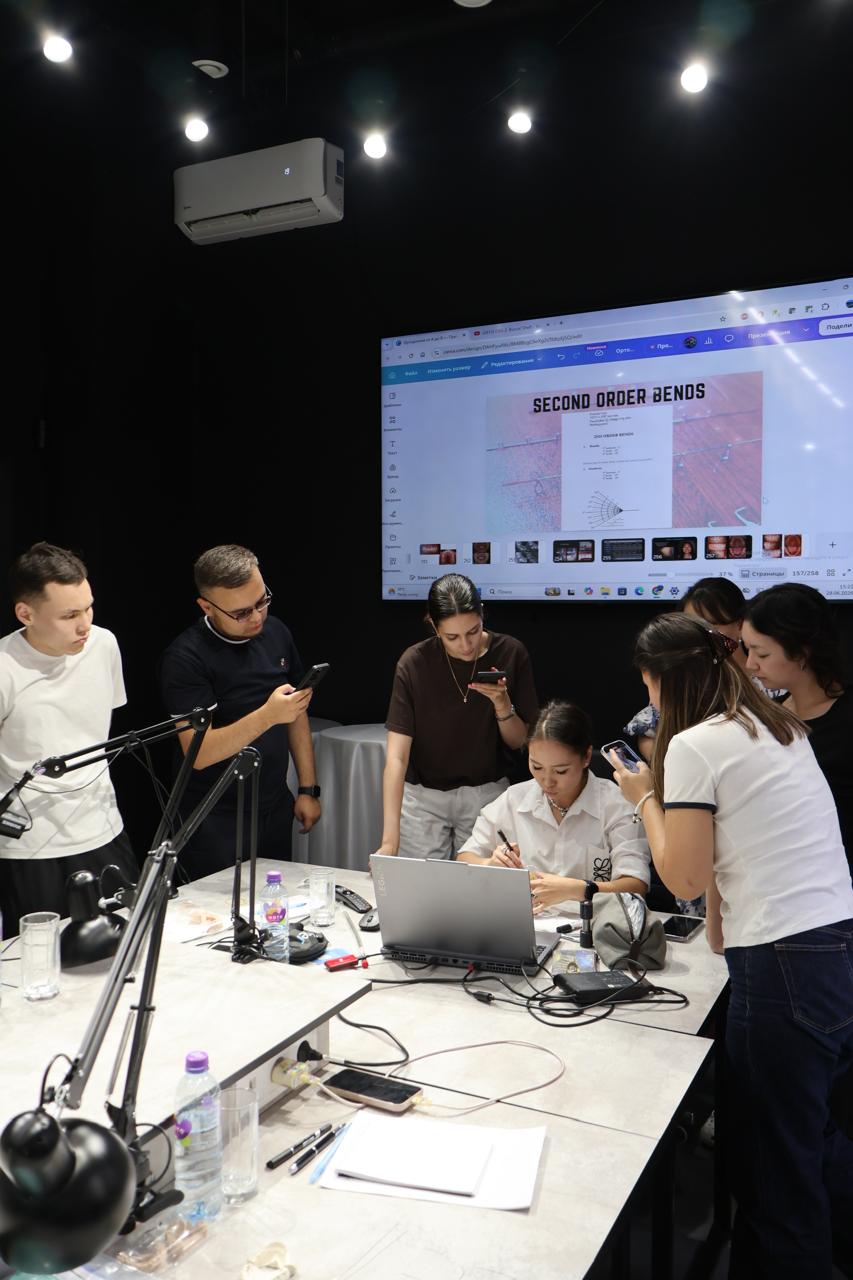
I strive to instill in young doctors the habit of always relying on thorough diagnostics, explaining the treatment plan to patients in detail, following clear clinical protocols, and continuously improving their knowledge. This is what truly defines the quality of medical care.
— Can you recall a clinical case from your practice that initially seemed almost impossible to solve, but where the patient's final smile gave you the greatest sense of professional pride?
— Every challenging clinical case is memorable in its own way. One patient I remember particularly well had a complete transposition of the maxillary canine and the lateral incisor. Many specialists believed that achieving a satisfactory aesthetic outcome would be virtually impossible and that the canine would eventually have to be extracted, with a dental implant placed after the patient reached the age of 18.
The treatment required extremely precise biomechanics, numerous individualized archwire bends, and continuous control of the movement of each tooth. When the treatment was completed, the patient smiled freely for the first time in many years. Moments like these remind me why I chose this profession.


